MasterCablesNN

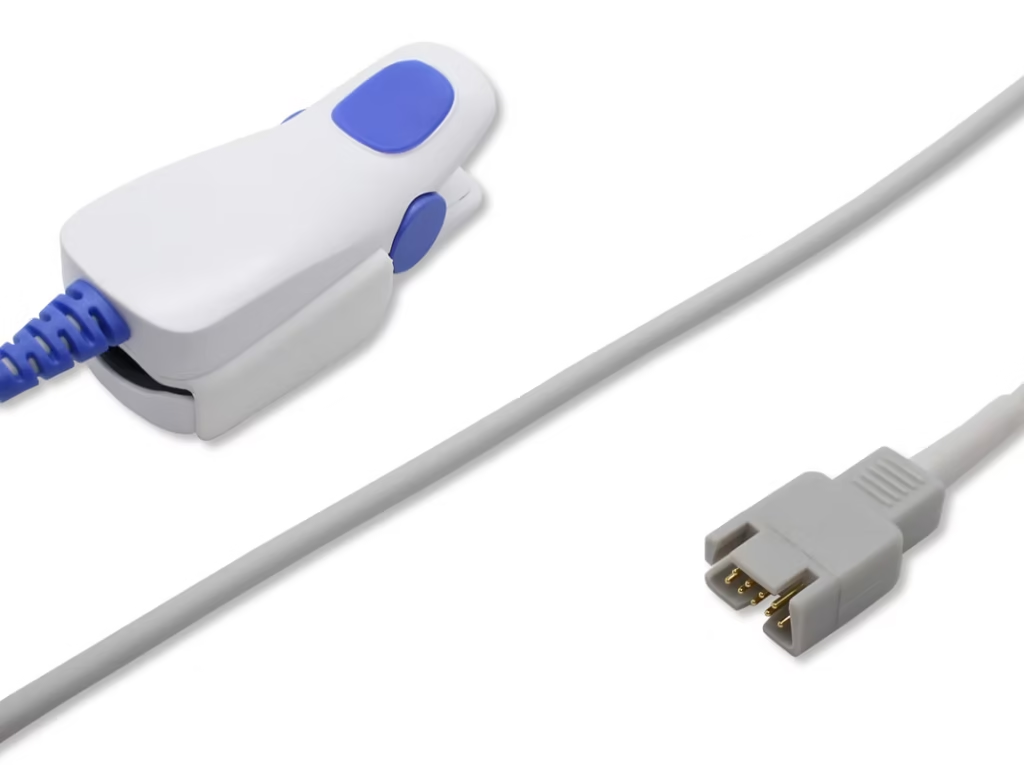
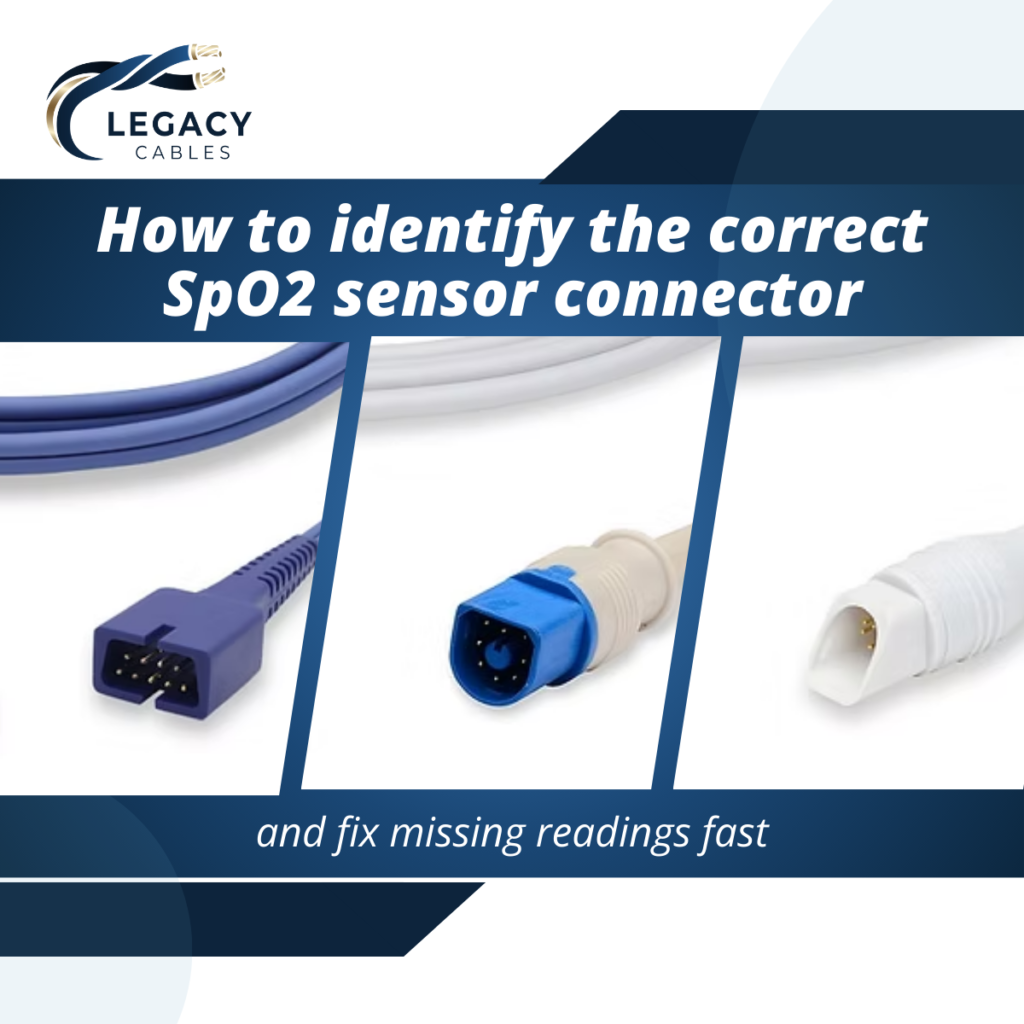
How to identify the correct SpO2 sensor connector and fix missing readings fast

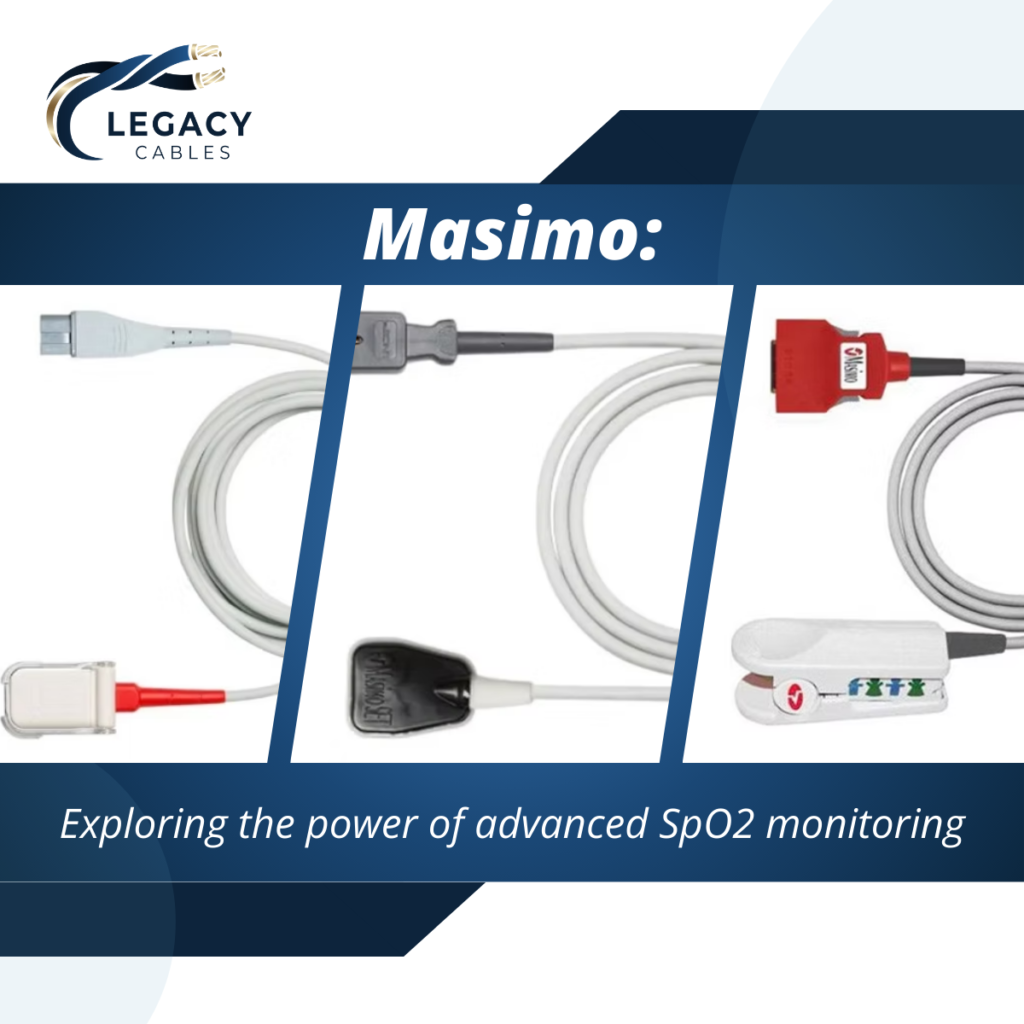
Why SpO2 connector mismatch is a hidden problem One of the most common SpO2 monitoring issues is not a faulty sensor, but a connector incompatibility. Many SpO2 connectors look nearly identical at first glance. However, small differences in internal pin configuration and electrical design can prevent the patient monitor from recognizing the sensor. The result? […]

How to identify the correct SpO2 sensor connector and fix missing readings fast Read More »
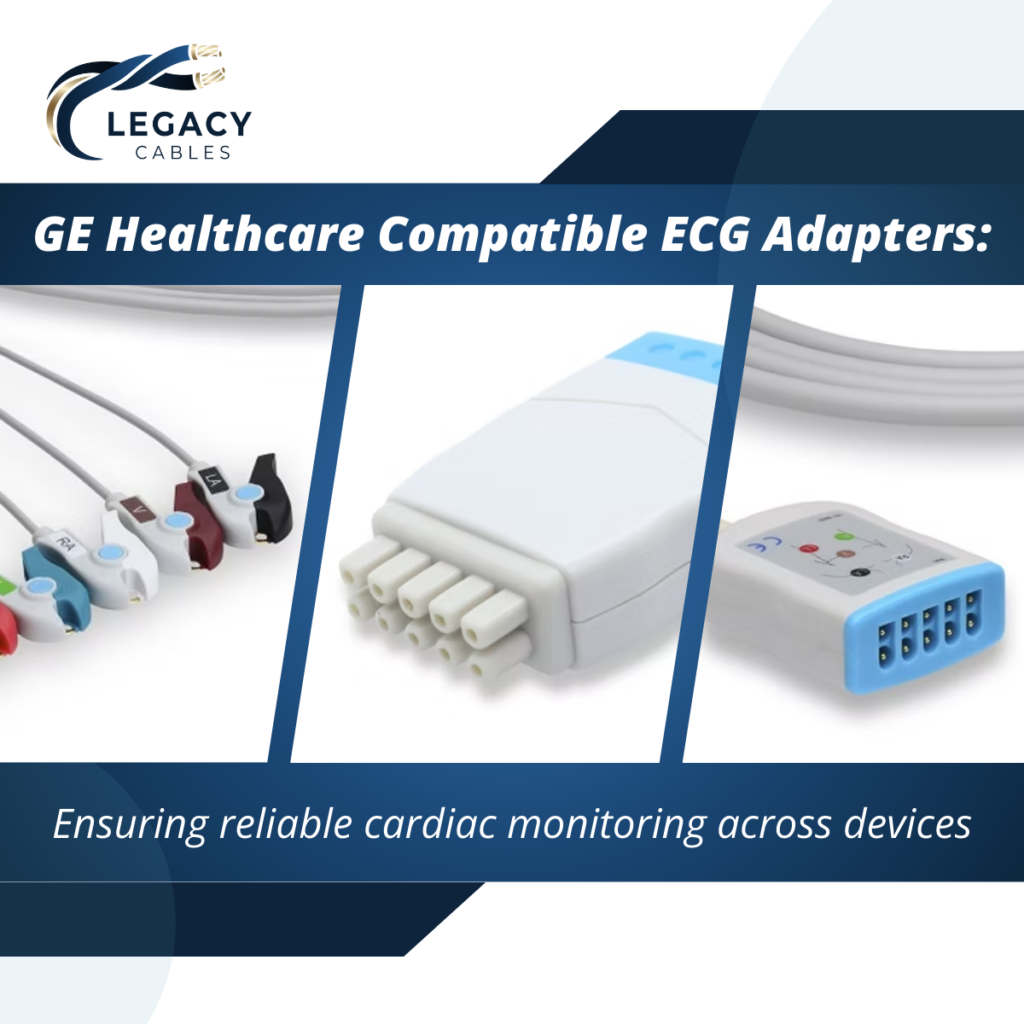
GE Healthcare compatible ECG Adapters: Ensuring reliable cardiac monitoring across devices

GE Healthcare monitoring environments often rely on a mix of ECG systems from different manufacturers. As facilities evolve, upgrade equipment, or evaluate new vendor contracts, compatibility between ECG devices becomes critical to maintaining uninterrupted cardiac monitoring. GE Healthcare compatible ECG adapters are designed to bridge this gap, allowing ECG leadwires and monitors from different OEMs

GE Healthcare compatible ECG Adapters: Ensuring reliable cardiac monitoring across devices Read More »

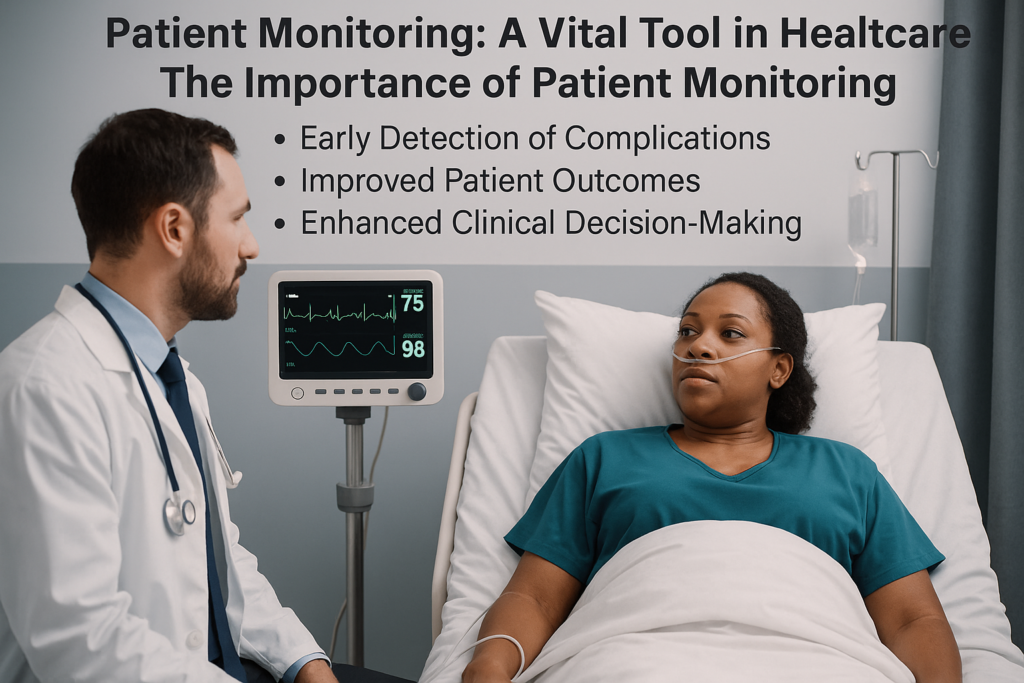
Patient Monitoring: A Vital Tool in Healthcare

Introduction In the dynamic world of healthcare, patient monitoring plays a pivotal role in ensuring the delivery of safe, effective, and personalized care. By continuously tracking a patient’s vital signs and physiological parameters, healthcare providers can proactively identify potential complications, intervene promptly, and optimize treatment plans. Let’s delve into the significance of patient monitoring and

Patient Monitoring: A Vital Tool in Healthcare Read More »

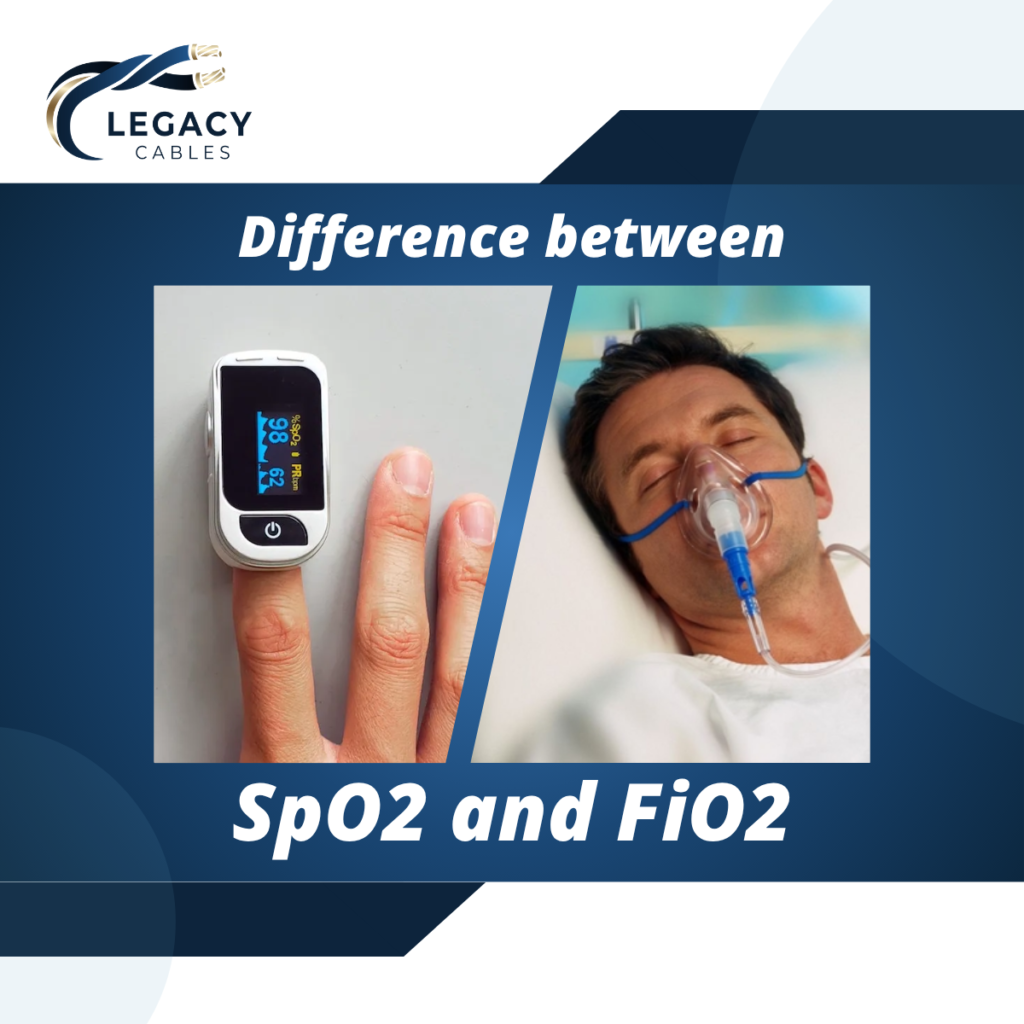
Difference between SpO2 and FiO2: Essential concepts for modern clinical and industrial oxygen monitoring

In today’s healthcare environment, where precision, reliability, and real-time data are critical, understanding the difference between SpO2 and FiO2 is fundamental. These two parameters guide clinical decisions, shape patient outcomes, and support the performance of advanced monitoring systems. As a trusted distributor of medical-grade cables, sensors, and connectivity solutions across the United States, Legacy Cables

Difference between SpO2 and FiO2: Essential concepts for modern clinical and industrial oxygen monitoring Read More »

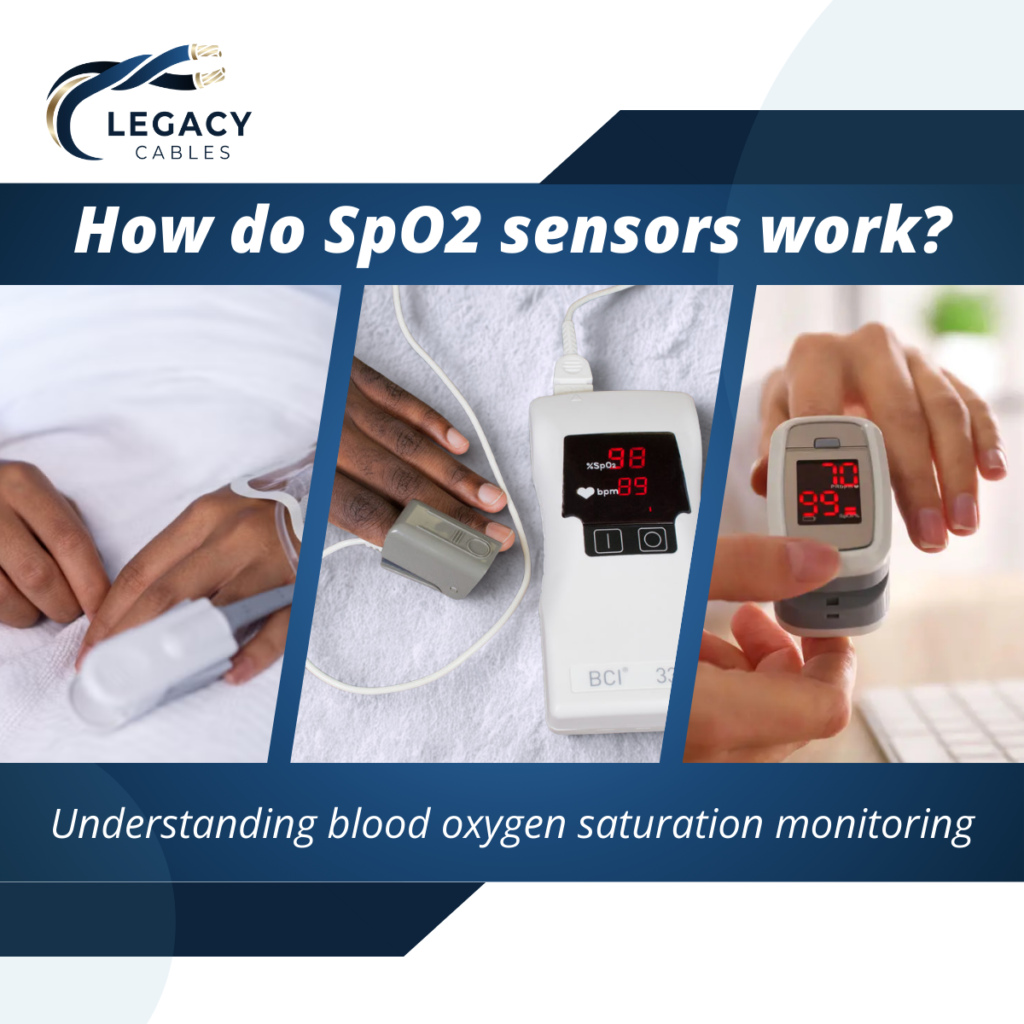
How do SpO2 sensors work?

Understanding blood oxygen saturation monitoring: From Standard to Fingertip Technology In modern healthcare, accurate oxygen monitoring is essential. SpO2 sensors play a crucial role in assessing patient status, guiding clinical decisions, and ensuring that respiratory care is precise and reliable. With multiple types of sensors available, it’s important to understand how do SpO2 sensors work

How do SpO2 sensors work? Read More »

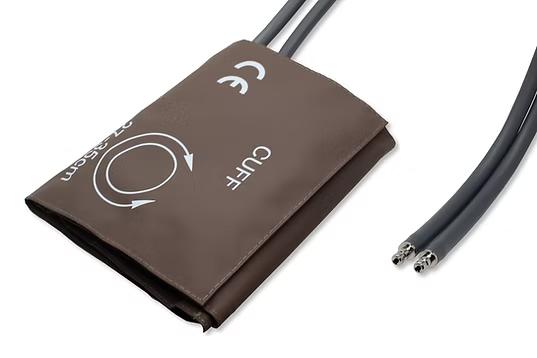
NIBP Cuffs & Hoses: Ensuring Accuracy and Patient Comfort

Non-invasive blood pressure (NIBP) monitoring forms a routine part of patient care. The right selection of cuffs and hoses plays a vital role in producing accurate readings and keeping patients comfortable during frequent checks. Healthcare workers need solutions that fit every age group and clinical environment. Importance of Proper Sizing A well-fitted cuff is the

NIBP Cuffs & Hoses: Ensuring Accuracy and Patient Comfort Read More »

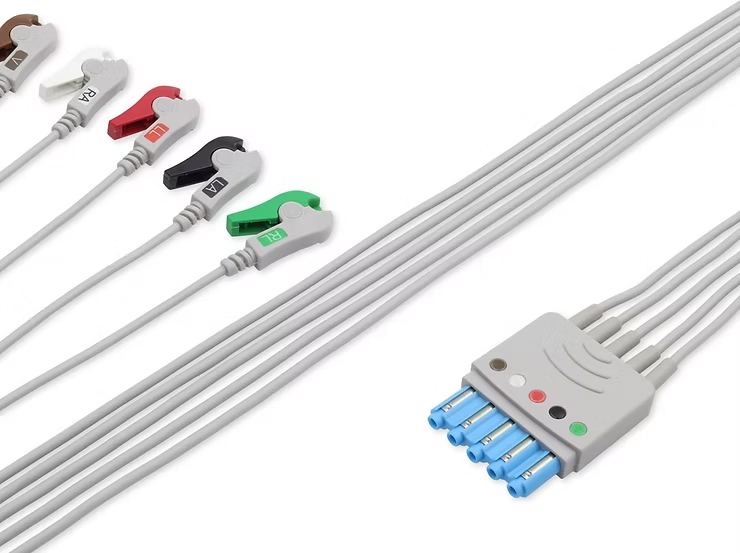
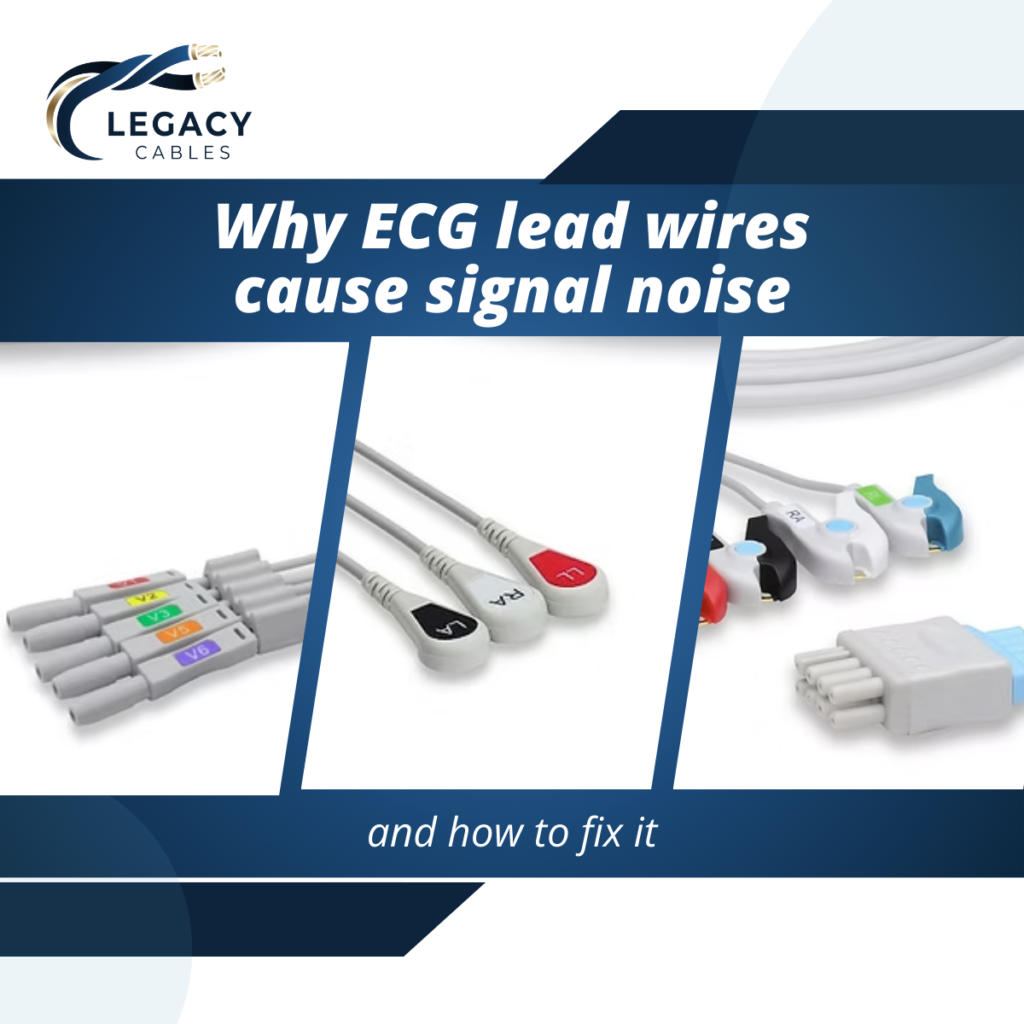
Choosing the Right ECG Leads: A Guide for Healthcare Professionals

ECG vs. EKG: What’s the Difference? ECG and EKG are two different abbreviations for the same test: an electrocardiogram. There is no difference in the test itself. The distinction comes from the origin of the term. The word ECG is the abbreviation for the English term “electrocardiogram.” The term EKG comes from the original German

Choosing the Right ECG Leads: A Guide for Healthcare Professionals Read More »

Choosing the Best SpO2 Sensor: Comparing Finger Clips, Soft Sensors, and Wraps

Accurate oxygen saturation (SpO2) measurement is crucial for effective patient monitoring. Pulse oximeters rely on sensors to transmit data reliably from the patient’s body to the monitor. With a range of choices—including finger clips, soft sensors, and wrap styles—nurses, biomeds, and buyers often ask: which type is best for each clinical scenario? Importance of Proper

Choosing the Best SpO2 Sensor: Comparing Finger Clips, Soft Sensors, and Wraps Read More »