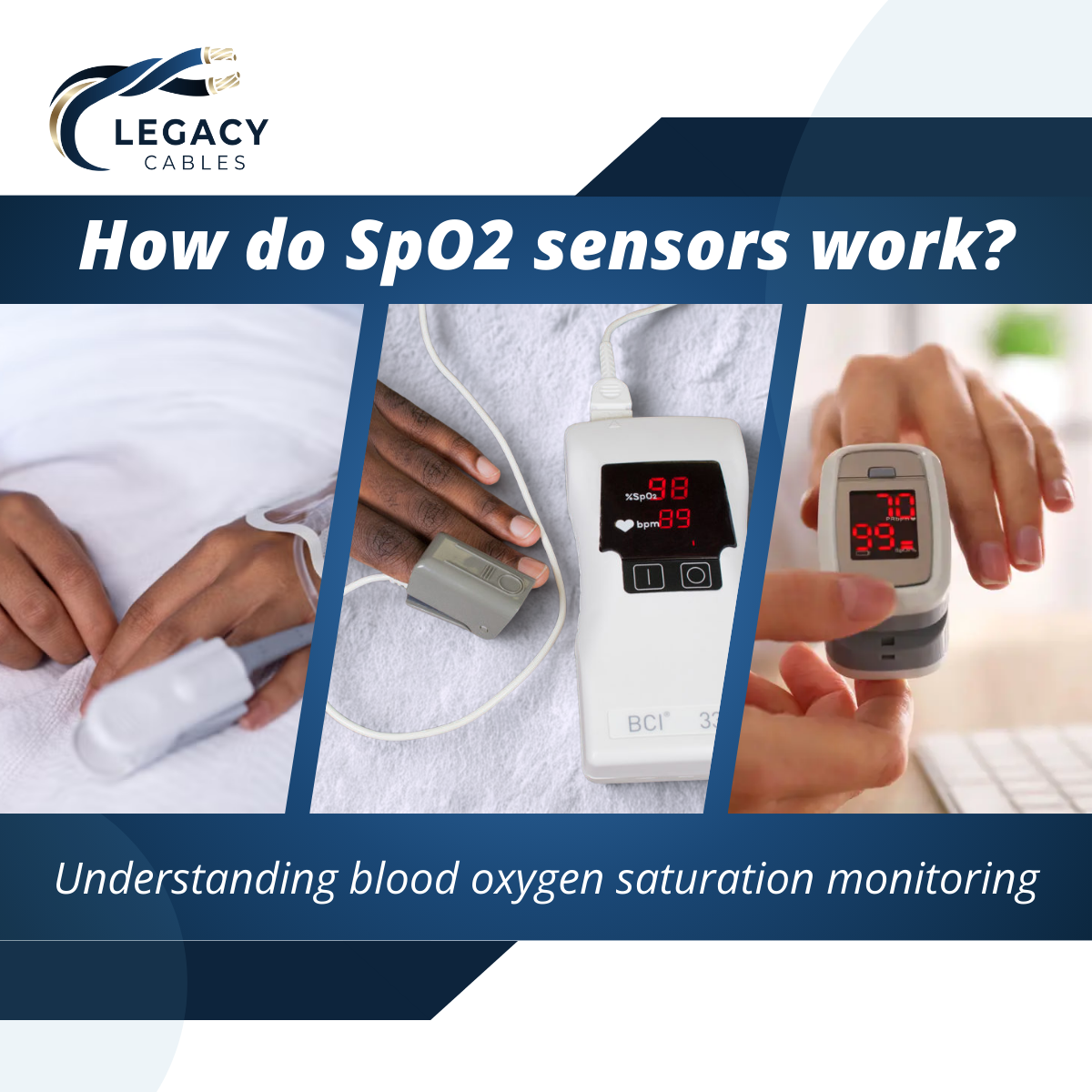
Accurate oxygen saturation (SpO2) measurement is crucial for effective patient monitoring. Pulse oximeters rely on sensors to transmit data reliably from the patient’s body to the monitor. With a range of choices—including finger clips, soft sensors, and wrap styles—nurses, biomeds, and buyers often ask: which type is best for each clinical scenario?
Importance of Proper Sizing
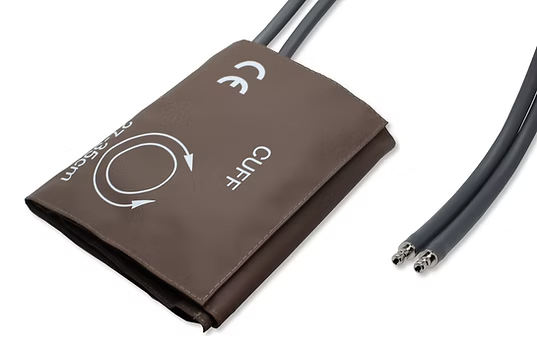
A well-fitted cuff is the foundation for accurate measurement. Choosing adult, pediatric, or neonatal sizes ensures proper signal and avoids false results. Cuffs that are too large or too small can skew readings, affecting dosage and treatment decisions. Explore our best-selling Philips Compatible NIBP Hose for seamless fit and reliable performance.
Finger Clip SpO2 Sensors
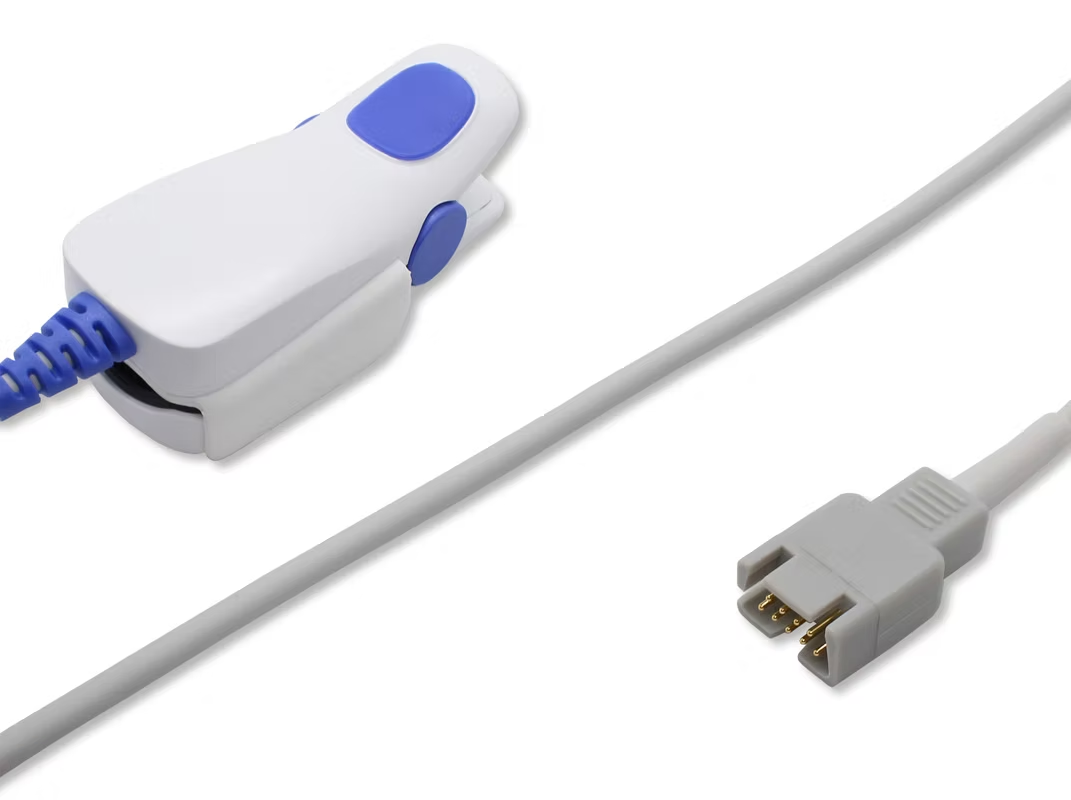
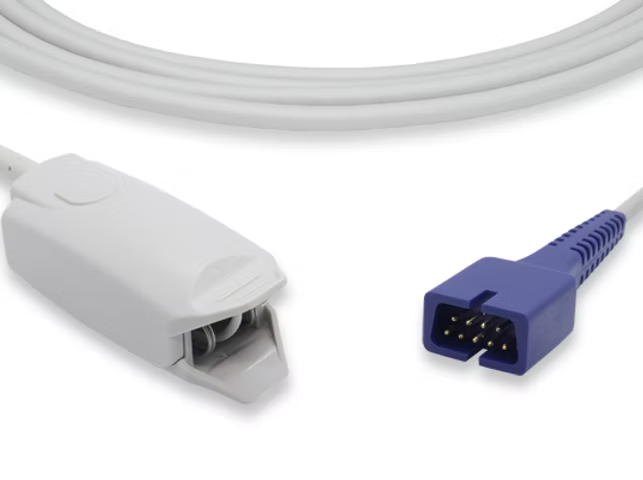
Finger clip sensors are the most common type, ideal for adult patients and routine monitoring. They are easy to apply and reusable, making them cost-effective for busy wards. However, they can become uncomfortable for long-term use and may give less reliable readings in patients with poor peripheral perfusion. For compatible options designed to work with popular monitors, see our Nellcor Compatible Short SpO2 Sensor DS100A.
Wrap or Adhesive Sensors
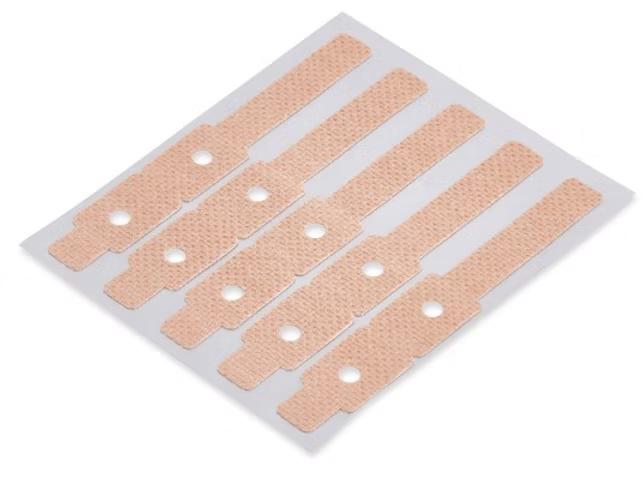
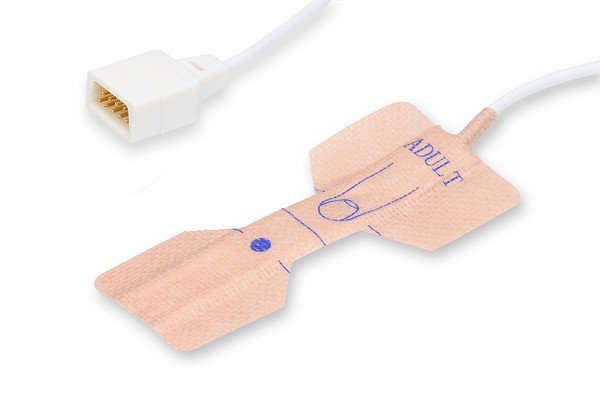
Wrap-style or adhesive sensors are ideal for neonates, infants, and patients who need secure contact and minimal movement. Disposable wrap sensors are available to improve infection control standards in high-risk settings.
Choosing Original or Compatible
While OEM sensors guarantee perfect fit and performance, many high-quality compatible options are trusted by hospitals to deliver both accuracy and cost-efficiency. Biomedical teams should always verify connector compatibility for their monitors and review product specs before ordering replacements.
When selecting the right SpO2 sensor—finger clip, soft, or wrap—medical teams can improve comfort, maintain accuracy, and streamline supply costs. By understanding the unique advantages of each one, healthcare professionals can tailor their choices to patient needs and clinical workflows. The option between original and compatible accessories further empowers hospitals and clinics to balance cost efficiency with performance. Proactive selection and regular review help prevent technical issues and support better patient outcomes.
Explore our comprehensive selection of SpO2 sensors and discover the solutions that best fit your facility and patient population.